Latest videos

3 Descriptive Writing Examples. 1. “In the late summer of that year we lived in a house in a village that looked across the river and the plain to the mountains. In the bed of the river there were pebbles and boulders, dry and white in the sun, and the water was clear and swiftly moving and blue in the channels.

How can I write permission letter in English?
"); display: inline-block; height: 24px; width: 24px; margin-top: -1px; transform: rotateZ(-180deg);">
How do I write a permission letter? When writing a permission letter, you can follow the general format of a formal letter. You can start with the date, sender's address, followed by the subject line. This is followed by the salutation, body of the letter and the complimentary closing.
A formal letter is one written in an orderly and conventional language and follows a specific stipulated format. These letters are written for official purposes only, such as writing a letter to the manager, to the HR manager, to an employee, to the Principal of the college or school, to a teacher, etc.

Composition can mean two things. It can mean a piece of writing, or it can mean the art and process of writing. Composition isn't a specific type of writing like an essay or a blog post. Instead, it's a broad term that can refer to any (usually nonfiction) work and how a piece is written.
Comprehension is the understanding and interpretation of what is read. To be able to accurately understand written material, children need to be able to (1) decode what they read; (2) make connections between what they read and what they already know; and (3) think deeply about what they have read.

The purpose of the expository writing style is to enlighten or instruct. In other words, it means to present an idea or relevant discussion that helps explain or analyze information. Some of the most common examples of expository writing include scientific reports, academic essays and magazine articles

What are the 14 Punctuation Marks in English? There are 14 punctuation marks that are used in the English language. They are: the period, question mark, exclamation point, comma, colon, semicolon, dash, hyphen, brackets, braces, parentheses, apostrophe, quotation mark, and ellipsis.

A pronoun is nothing but a word that is used as a replacement or as a substitute for the noun or the noun phrase in a sentence. A conjunction in simple terms is a word that connects two or more sentences into a single sentence.
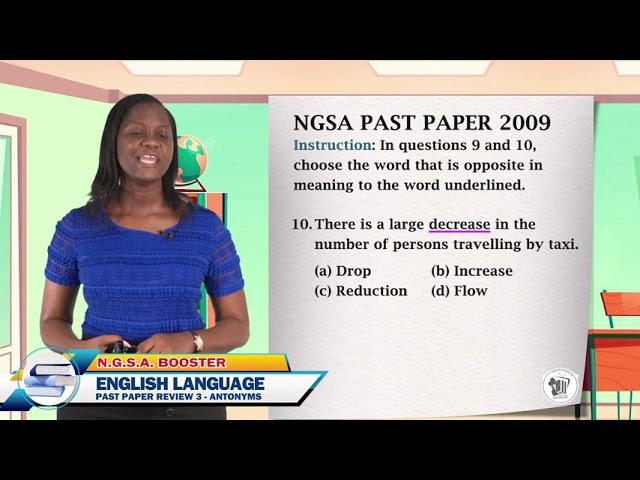
An antonym is a word that means the opposite of another word. For example, hot and cold are antonyms, as are good and bad.
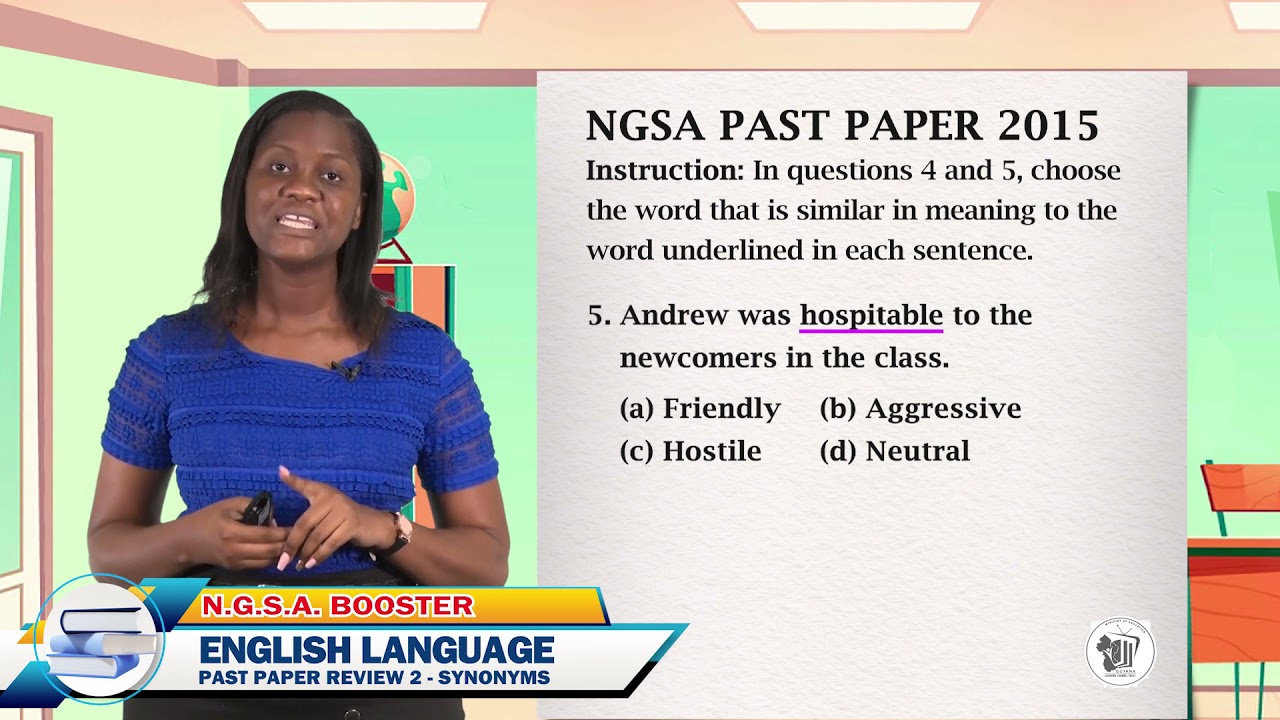
Meaning of synonym in English. a word or phrase that has the same or nearly the same meaning as another word or phrase in the same language: The words "small" and "little" are synonyms. 'Wrong' is a synonym for 'incorrect'.
Step 1: Express Gratitude for the Specific Action That You're Writing This Letter About. ...
Step 2: Add a Specific Detail Showing What That Kindness Means to You. ...
Step 3: Express How Much Your Relationship with This Person Means to You.

An adverb describes or modifies a verb, an adjective, or another adverb, but never a noun. It usually answers the questions of when, where, how, why, under what conditions, or to what degree. Adverbs often end in -ly.

A homophone is a word that has the same pronunciation as another word but is spelled differently and has a different meaning. For example 'toe' and 'tow', 'rows' and 'rose', 'there' and 'their' and they're'. A homograph is a word that has the same spelling as another word but has a different meaning.

a word or phrase that modifies or qualifies an adjective, verb, or other adverb or a word group, expressing a relation of place, time, circumstance, manner, cause, degree, etc. (e.g., gently, quite, then, there ).

a comparison of two otherwise unlike things based on resemblance of a particular aspect. : resemblance in some particulars between things otherwise unlike : similarity. : inference that if two or more things agree with one another in some respects they will probably agree in others.

A synonym is a word that has the same meaning as another word (or nearly the same meaning). For example, beautiful and attractive are synonyms of each other because they both refer to someone or something that looks good.

An idiom is a phrase that is common to a certain population. It is typically figurative and usually is not understandable based solely on the words within the phrase. A prior understanding of its usage is usually necessary. Idioms are crucial to the progression of language.

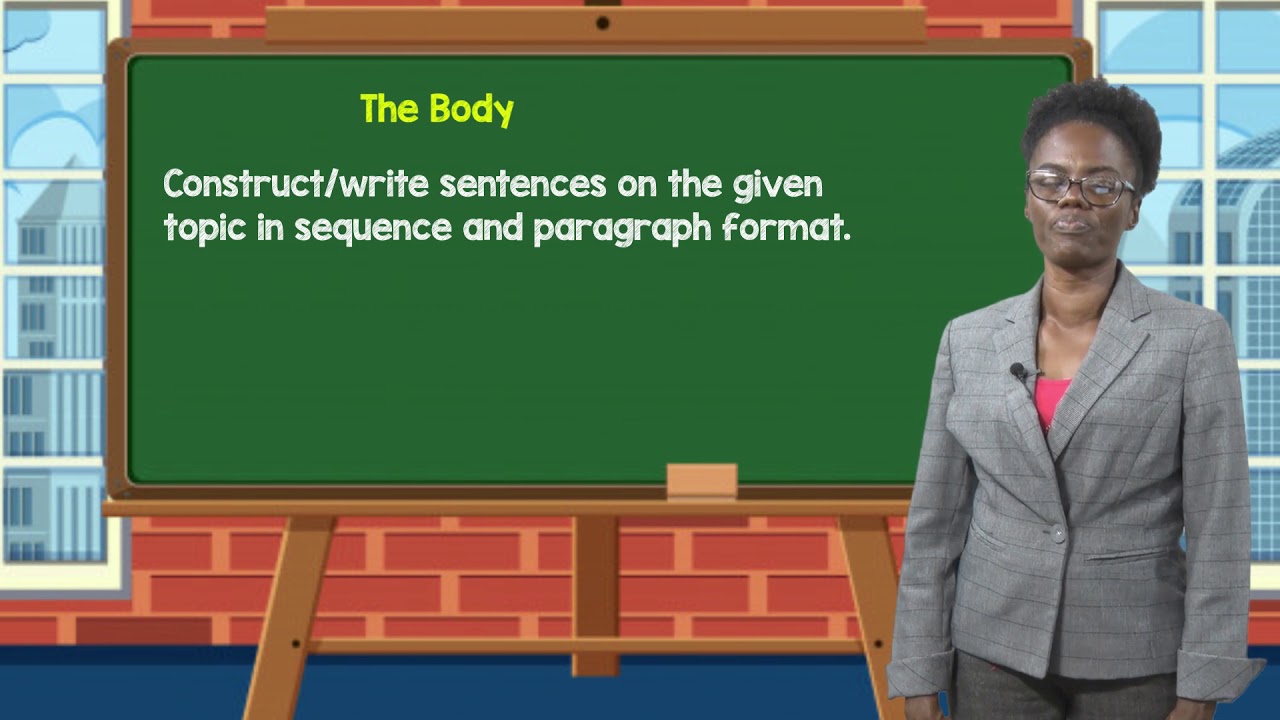
The main parts (or sections) to an essay are the intro, body, and conclusion. In a standard short essay, five paragraphs can provide the reader with enough information in a short amount of space.

Meaning of synonym in English. a word or phrase that has the same or nearly the same meaning as another word or phrase in the same language: The words "small" and "little" are synonyms. 'Wrong' is a synonym for 'incorrect'.

What is inference? We learn about some things by observing or experiencing them first-hand. In contrast, when we make inferences, we reach conclusions based on evidence and reasoning. We figure things out by applying our own knowledge and experience to the situation at hand.