Top videos
The Cell Theory Song
Mr. Tamez
Lyrics:
CHORUS
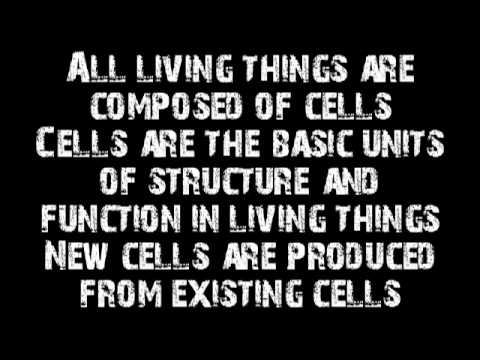
All living things are composed of cells
Cells are the basic units of structure and function in living things
New cells are produced from existing cells
VERSE 1
Back then was a guy named Hooke, cut some cork and he had a look
Underneath his microscope tiny rooms that he saw in groups
Empty rooms that looked like shells He's the one that called them cells
Listen up cause we're not done Cell theory had just begun
Add one scientist to know the inventor of the microscope
Anton von Leeuwenhoek saw cells move and he was like "That's dope"
PRE CHORUS
Cell theory, cell theory, cell theory, cell theory, cell theory, go!
VERSE 2
If you thought this was complete take a breath and have a seat
Two scientists to have their say Schleiden and Schwann to save the day
Schleiden said all plants have cells they are alive and we can tell
The next year Mr. Schwann could see all animals have cells that live and breathe
Oh they live and breathe Live and breathe
BRIDGE
In 1855, Rudolph Virchow proposed that all cells
Come from other cells
This was the final discovery
That ended cell theory cell theory
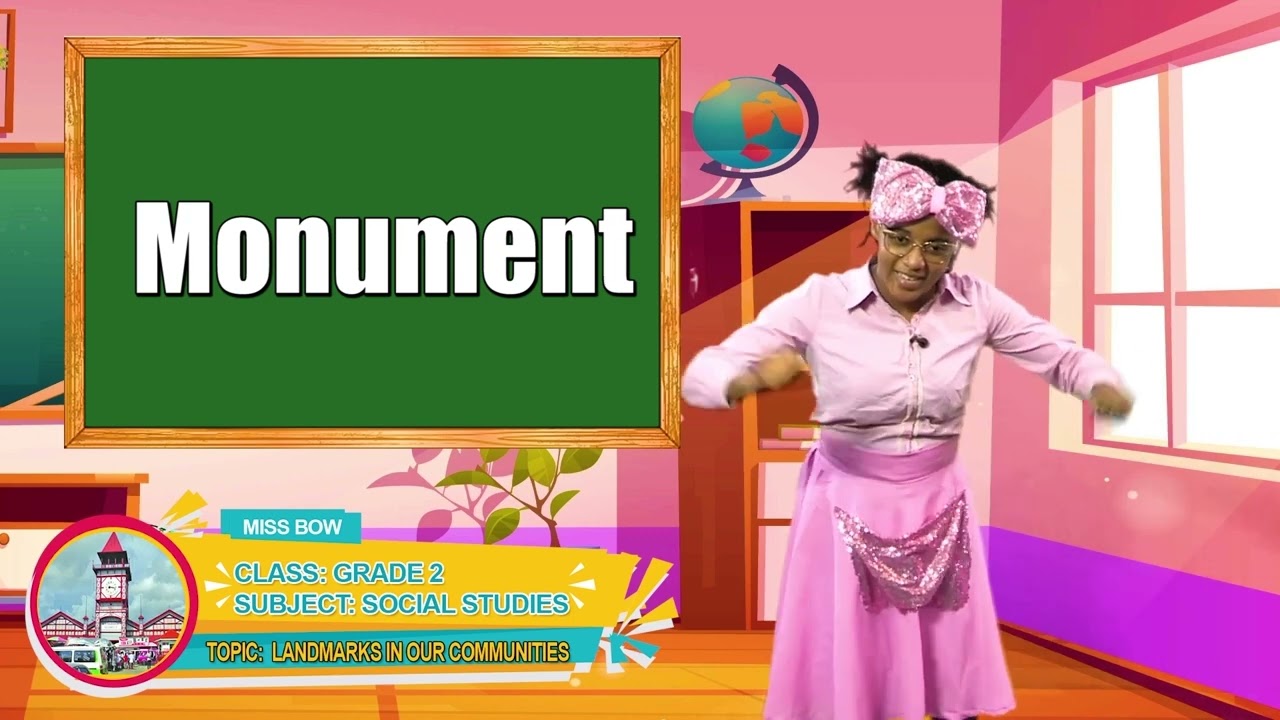
A landmark is an object or a feature of a landscape or town that has importance or makes a place easily recognizable. Landmarks will often have a sign with information explaining their importance. When you travel, pay close attention to finding new landmarks everywhere you go.
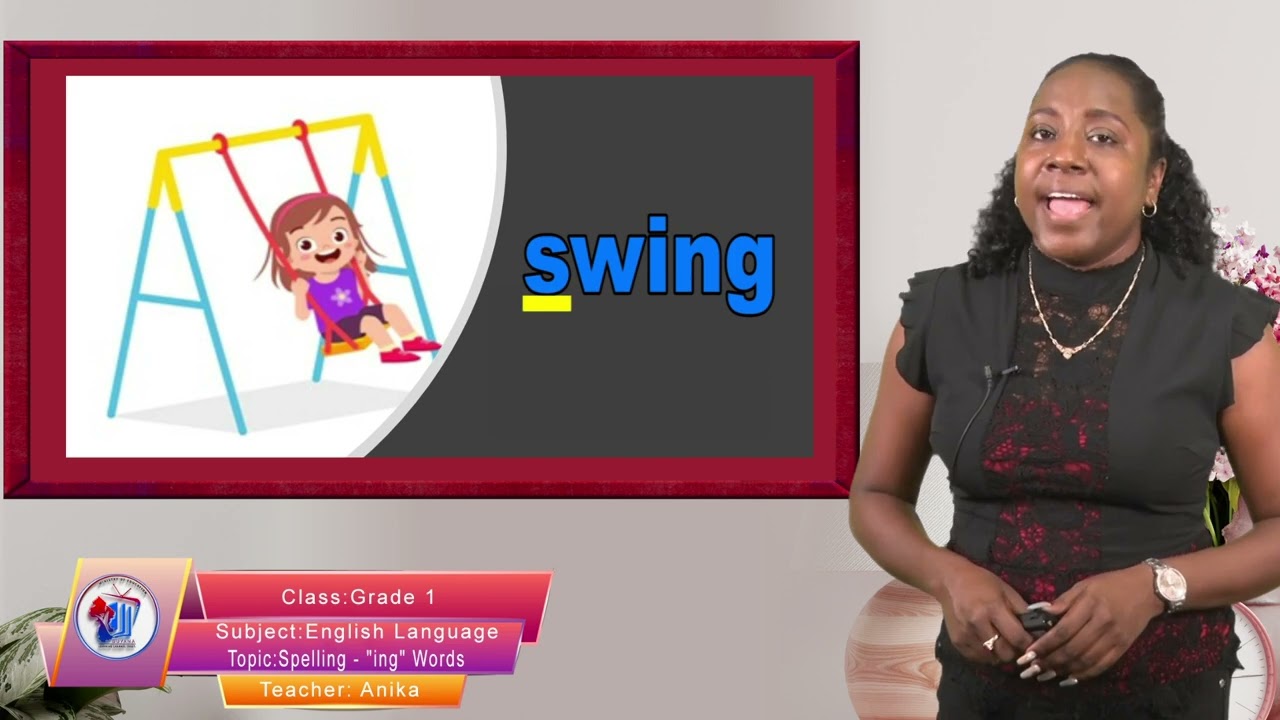
Show your child one picture and say “what is she doing?” Your child should already know the name of the action that the person is doing. If not, go back and teach those first. Your child will probably say the action word without using the “-ing” on the end. Words: ding, king, ring, sing, wing, ping, zing, bring, sling, wring, cling, sting, fling, swing, thing, spring, awning, string, anything, something.

Air pollution is contamination of the indoor or outdoor environment by any chemical, physical or biological agent that modifies the natural characteristics of the atmosphere. Household combustion devices, motor vehicles, industrial facilities and forest fires are common sources of air pollution.

Weathering is the breaking down or dissolving of rocks and minerals on Earths surface. Once a rock has been broken down, a process called erosion transports the bits of rock and minerals away. Water, acids, salt, plants, animals, and changes in temperature are all agents of weathering and erosion.
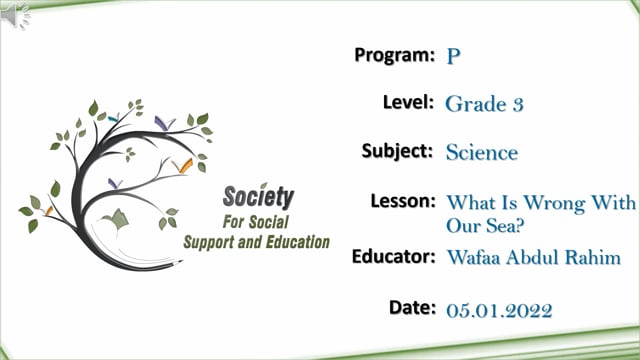
This video includes :<br />
1-Simple warm up activity<br />
2-lesson content about sea pollution and sea pollutants.<br />
3- Revision.<br />
4- Think far away : Questions for students to search for answers.

Inflectional endings include -s, -es, -ing, -ed. The inflectional endings -s and -es change a noun from singular (one) to plural (more than one): cat/cats, bench/benches. The inflectional endings -ing and -ed change the tense of a verb: eat/eating, walk/ walked.
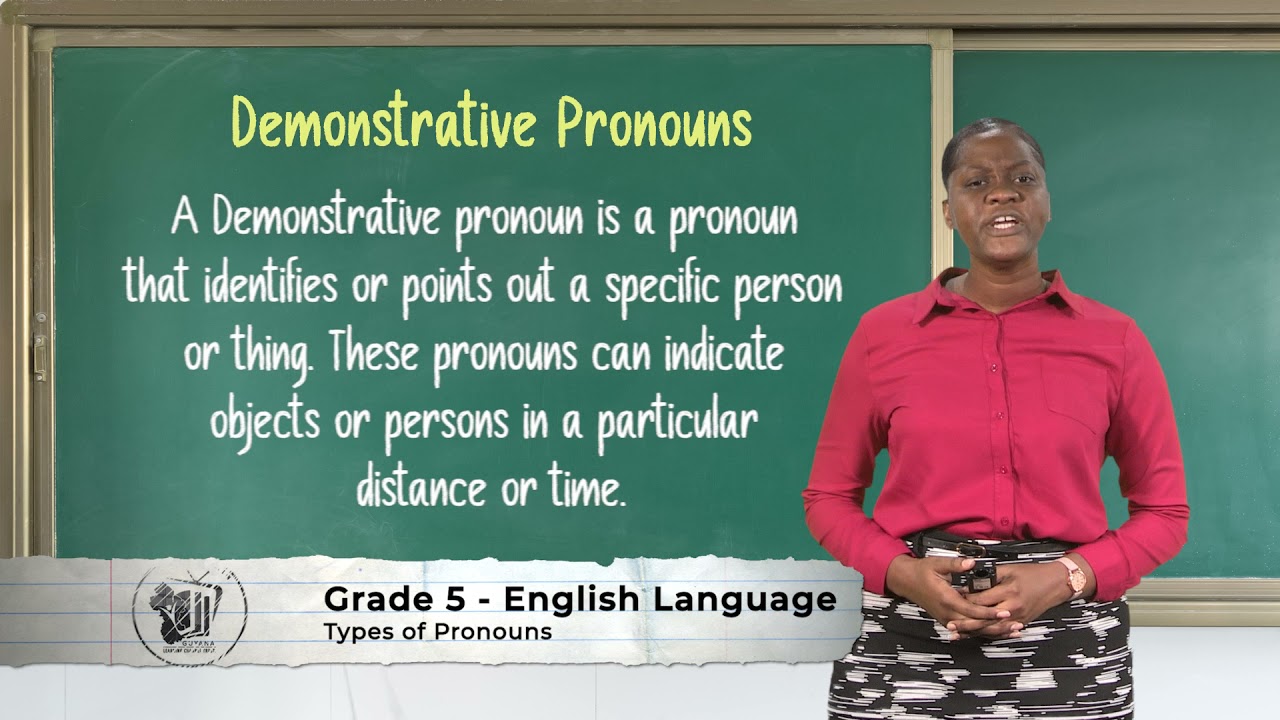
There are seven types of pronouns that both English and English as a second language writers must recognize: the personal pronoun, the demonstrative pronoun, the interrogative pronoun, the relative pronoun, the indefinite pronoun, the reflexive pronoun, and the intensive pronoun.
The respiratory system is the network of organs and tissues that help you breathe. It includes your airways, lungs and blood vessels. The muscles that power your lungs are also part of the respiratory system. These parts work together to move oxygen throughout the body and clean out waste gases like carbon dioxide.

the marks, such as full stop, comma, and brackets, used in writing to separate sentences and their elements and to clarify meaning.

Life Cycle of an Animal: Animals start from eggs or live birth, then they grow up and mate. Animals begin life either from an egg or as a baby that is born ready for life. Baby animals grow and change into adolescents and eventually become adults.
Kids TV is home to various popular nursery rhymes that educate & entertain toddlers.
The central nervous system (CNS) is made up of the brain and spinal cord. It is one of 2 parts of the nervous system. The other part is the peripheral nervous system, which consists of nerves that connect the brain and spinal cord to the rest of the body. The central nervous system is the body's processing centre.

Grade 10 Accounts

Grade 8 English

A homophone is one of two or more words that are pronounced the same but have different spellings
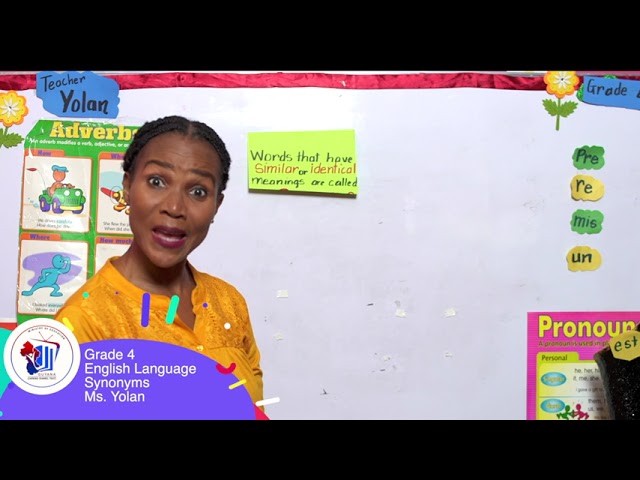
Suffixes are letters added to the end of a base word to change its conjugation, word type, or other grammar properties like plurality. For example, take the noun strength: You can add the suffix –s to make it plural (strengths) or the suffix –en to change it into a verb (strengthen).
A synonym is a word that has the same meaning as another word (or nearly the same meaning). For example, beautiful and attractive are synonyms of each other because they both refer to someone or something that looks good.

Other organs include your brain, lungs, heart, liver, stomach, intestines, pancreas, and kidneys, and they're called internal organs because they're located on the inside of your body.
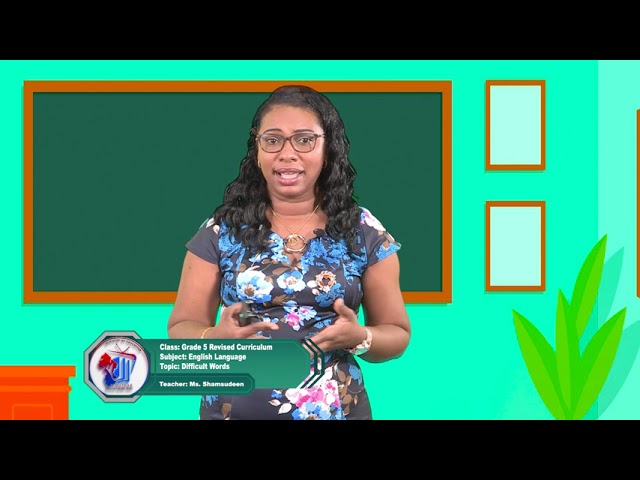
Words that are hard to read, write, spell and understand are considered to be difficult words in English.

#AdverbialPhrase
This video is part of a playlist having the following videos. Watch all of them in sequence for a better learning experience.
Enjoy learning :)
Video No.1: What is the Difference Between a Sentence and a Phrase?
https://youtu.be/ZsvJ3InLslo
Video No.2: Noun Phrase And Its Functions
https://youtu.be/ez6NPJYRKoA
Video No.3: Noun Phrase and Verb Phrase
https://youtu.be/pHZho4qUX5U
Video No.4: Prepositional Phrase
https://youtu.be/fo839aHCPr8
Video No.5: Adjective Phrase
https://youtu.be/S1jAzcApTpE
Video No.6: Adverbial Phrase
https://youtu.be/vnVtWhTRXUo
Video No.7: What is a Clause? ( Part 1)
https://youtu.be/LFBT4Qc4Vig
Video No.8: Types Of Clauses-Independent And Dependent
https://youtu.be/S__5dK67bHc
Video No.9: Types Of Dependent Clauses
https://youtu.be/_aQWQTot8II
Topics Covered:
Adverbial phrase
Types of adverbial phrases
I hope you liked our video.
Kids should spend time watching informative videos and expand their knowledge day by day.
Kids retain what they see in audio-visual lessons so make them watch informative videos rather than cramming things.
If you want to learn any topic, please free to write to us, we will upload the video to help you out as soon as possible.
We can also create a customized u tube playlist for the topics you want to learn.
Your feedback is important to us.
Stay connected with us:
tutwayhelpdesk@gmail.com
YouTube: https://www.youtube.com/channe....l/UCL-KeqwBmYvEBpAiU
Facebook: https://www.facebook.com/tutway/
https://www.tutway.com/
About us:
Welcome to Tutway.
A unique platform where learning is fun.
Now there is no distinction between kids’ fun time and study time.
At Tutway, we believe in a very simple idea that audio-visual learning is the most effective tool for grasping knowledge. Many researchers have proven that kids learn a lot by playing interactive games and watching audio-visual animated lessons as compared to reading from books.
That's when Tutway comes to the rescue.
Tutway is a supplementary education program where kids can learn at their own pace. The students can watch animated videos that are so meticulously made that they can understand even the most complex concepts very easily. There is a question bank at the end of each video where students can answer those questions multiple times and test whether they have grasped knowledge completely or not.
We have information systems embedded in the program where parents can monitor real-time performance of their kids and get up to date information about their performance, including quizzes attempted and the marks got in each quiz, both in tabular and graphical formats. Regular reports are e-mailed to the parents so that the parents can analyze their kids’ performance.
If we want to learn high-level concepts, we should have a clear understanding of the basic concepts. For instance, if kids don't know about addition and subtraction, they cannot do multiplication, and if they don't know about multiplication, they cannot do division, and if they don't have knowledge of these four basic operations, Algebra cannot be done by them, and it goes on and on.
The same applies to the English language if kids don't have sound knowledge of grammar and vocabulary; it becomes extremely difficult for them to have their communication skills.
Knowledge of the scientific concepts is also required for observing physical, chemical, biological phenomena happening all around us.
That is why; Tutway has thousands of animated videos on Maths, English, and Science to clear the basics of these subjects. It perfectly suits most of the educational needs of most of the students, regardless of their learning abilities.
So hurry up, download the Tutway app and book a free-demo cl**** to make education interactive and fun experience.