Los mejores videos
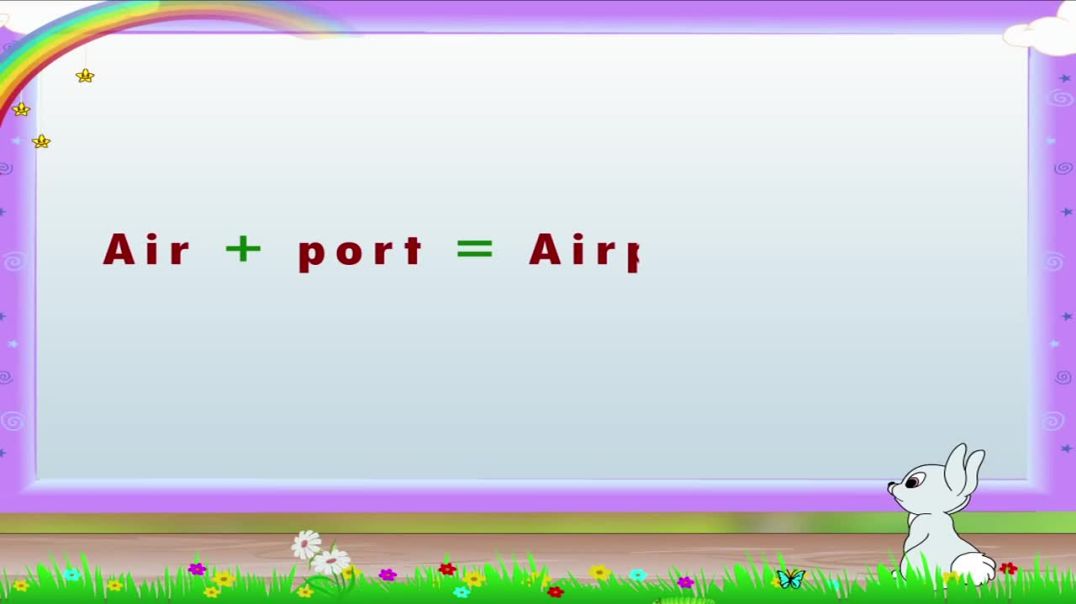
A compound word is a union of two or more words, either with or without a hyphen.

Flowering plants grow flowers and use seeds to reproduce, or make more plants like them. Nonflowering plants do not grow flowers, and use either seeds or spores, which are very tiny parts of a plant that can be used to reproduce, to grow more plants just like them.
Stomata are generally more numerous on the underside of leaves. They provide for the exchange of gases between the outside air and the branched system of interconnecting air canals within the leaf. A stomate opens and closes in response to the internal pressure of two sausage-shaped guard cells that surround it.

Complete and incomplete metamorphosis are two types of growth forms in insects. The complete metamorphosis occurs through four stages: egg, larva, pupa, and adult. The incomplete metamorphosis occurs through three stages: egg, nymph, and adult. The pupa stage is not developed during incomplete metamorphosis.
The immune system responds to antigens by producing cells that directly attack the pathogen, or by producing special proteins called antibodies. Antibodies attach to an antigen and attract cells that will engulf and destroy the pathogen. The main cells of the immune system are lymphocytes known as B cells and T cells.

GRADE ONE MATH ACTIVITIES ONLINE LESSON 1
STRAND: ADDITION
SUB-STRAND: ADDING A ONE DIGIT NUMBER TO A ONE DIGIT NUMBER VERTICALLY
The purpose of this lesson is to introduce the unit and allow students to demonstrate their current understanding of weather. (Seattle)
“Global warming” refers to the rise in global temperatures due mainly to the increasing concentrations of greenhouse gases in the atmosphere. “Climate change” refers to the increasing changes in the measures of climate over a long period of time – including precipitation, temperature, and wind patterns.

#Valcano #NaturalCalamity
Natural disaster
Volcano
Fault lines
Different layers of the earth
Tectonic plates
Parts of volcano
Mantle
Magma
Crust
Lava
Volcanic activities Advantages of a volcano
Disadvantages of volcano
I hope you liked our video.
Kids should spend time watching informative videos and expand their knowledge day by day.
Kids retain what they see in audio-visual lessons so make them watch informative videos rather than cramming things.
If you want to learn any topic, please free to write to us, we will upload the video to help you out as soon as possible.
We can also create a customized u tube playlist for the topics you want to learn.
Your feedback is important to us.
Stay connected with us:
tutwayhelpdesk@gmail.com
YouTube: https://www.youtube.com/channe....l/UCL-KeqwBmYvEBpAiU
Facebook: https://www.facebook.com/tutway/
https://www.tutway.com/
About us:
Welcome to Tutway.
A unique platform where learning is fun.
Now there is no distinction between kids’ fun time and study time.
At Tutway, we believe in a very simple idea that audio-visual learning is the most effective tool for grasping knowledge. Many researchers have proven that kids learn a lot by playing interactive games and watching audio-visual animated lessons as compared to reading from books.
That's when Tutway comes to the rescue.
Tutway is a supplementary education program where kids can learn at their own pace. The students can watch animated videos that are so meticulously made that they can understand even the most complex concepts very easily. There is a question bank at the end of each video where students can answer those questions multiple times and test whether they have grasped knowledge completely or not.
We have information systems embedded in the program where parents can monitor real-time performance of their kids and get up to date information about their performance, including quizzes attempted and the marks got in each quiz, both in tabular and graphical formats. Regular reports are e-mailed to the parents so that the parents can analyze their kids’ performance.
If we want to learn high-level concepts, we should have a clear understanding of the basic concepts. For instance, if kids don't know about addition and subtraction, they cannot do multiplication, and if they don't know about multiplication, they cannot do division, and if they don't have knowledge of these four basic operations, Algebra cannot be done by them, and it goes on and on.
The same applies to the English language if kids don't have sound knowledge of grammar and vocabulary; it becomes extremely difficult for them to have their communication skills.
Knowledge of the scientific concepts is also required for observing physical, chemical, biological phenomena happening all around us.
That is why; Tutway has thousands of animated videos on Maths, English, and Science to clear the basics of these subjects. It perfectly suits most of the educational needs of most of the students, regardless of their learning abilities.
So hurry up, download the Tutway app and book a free demo cl**** to make education interactive and fun experience.

Topics Covered:
• Rocks
• Uses of rocks
• Uses of granite
• Uses of coal
• Uses of marble
• Uses of sandstone
• Uses of chalk
• Uses of slate
• Uses of rock salt
• Uses of gem stones
• Uses of diamond
Welcome to Tutway, a unique platform where learning is fun !
Now there is no distinction between kids' fun time and study time. Say goodbye to the days of cramming those dull and ponderous books, which made learning a tedious task. We believe in the straightforward idea that audio-visual learning is the most effective tool for learning. Many researchers have proven that kids learn a lot by playing interactive games and watching audio-visual animated lessons compared to reading from books. To understand the new concepts, Kids show more interest in adopting unique ways of learning. We have brought a programme that covers the crucial ideas and makes learning more stable that stimulates the critical thinking of the young learners !
Let's break away from our perception that adopting new learning concepts is challenging. You will find our website & youtube channel very user-friendly and interactive to gain knowledge. Even kids can access the content without constant parental supervision !
Site: https://www.tutway.com/
Email: tutwayhelpdesk@gmail.com
Facebook: https://www.facebook.com/tutway/
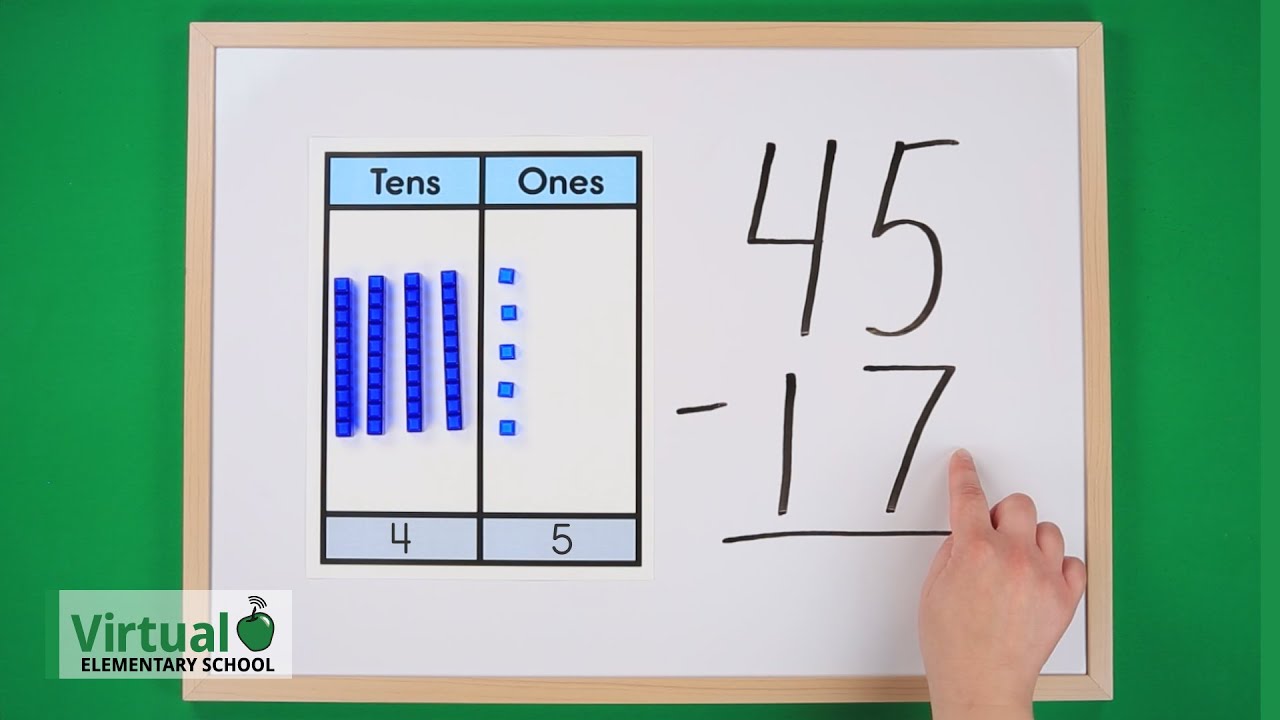
Learn how to subtract larger numbers using base ten blocks and regrouping.
Visit https://www.virtualelementarys....chool.com/new-math-c to learn more about our new elementary math courses.
Copyright © 2021 by D2L Corporation. All rights reserved. Except where otherwise noted, all content is created and owned by D2L Corporation.

Grade 10 Mathematics

to make a light clinking or tinkling sound. : to rhyme or sound in a catchy repetitious manner. transitive verb. : to cause to jingle.

4th grade science is fun with these review lesson videos from Homeschool Pop. This compilation features some of our most popular 4th grade science videos. We hope you enjoy them as much as we loved making them!
00:00 The human heart
5:19 Reptiles
10:46 Earthquakes
17:09 Plant parts and functions
27:40 Planets in our solar system
44:29 The human brain
❤ Homeschool Pop? Join our team and get tattoos here: http://homeschoolpop.com
Thanks for watching this 4th grade science compilation learning video from Homeschool Pop! We hope to hear from you soon and we will see you next video!
Homeschool Pop Team
4th Grade Science Compilation

Grade 10 Mathematics
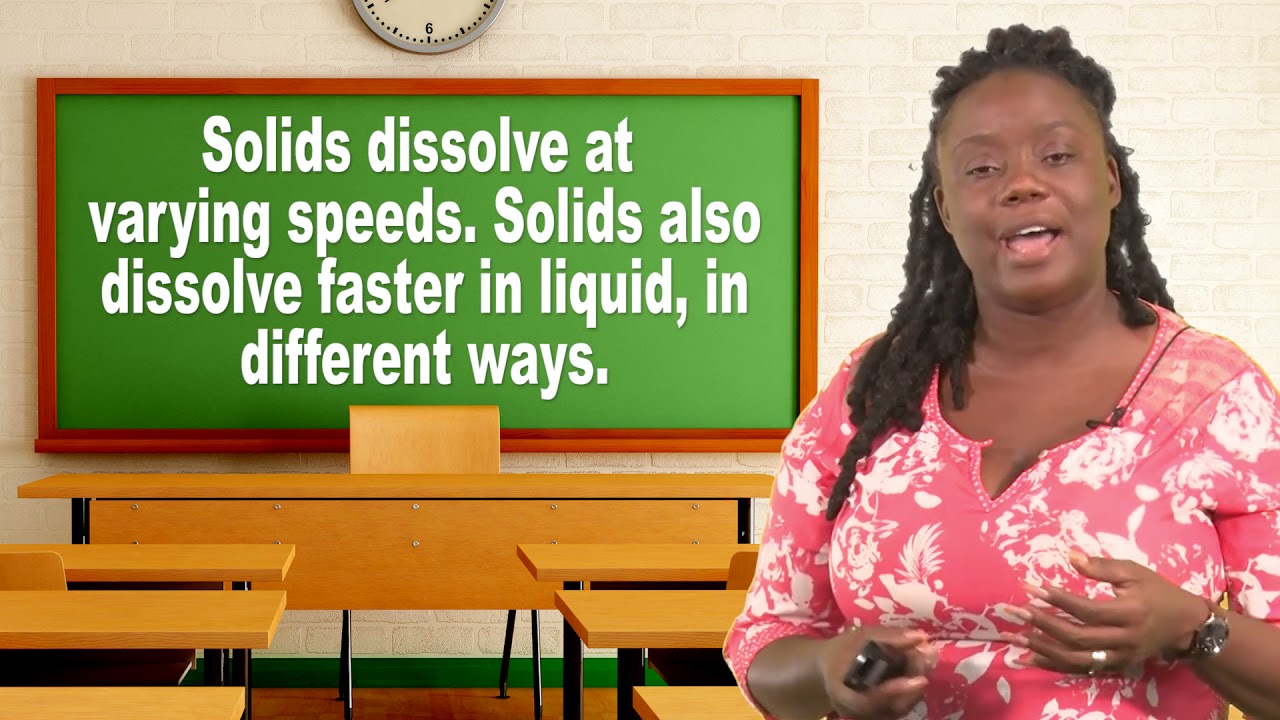
What are the examples of suspension materials?
Examples of Suspension
Muddy water.
Milk of magnesia.
Sand particles suspended in water.
Flour in water.
Slaked lime for whitewashing.
Paints in which dyes are suspended in turpentine oil.
Force is an external agent capable of changing a body's state of rest or motion. It has a magnitude and a direction. The direction towards which the force is applied is known as the direction of the force, and the application of force is the point where force is applied.
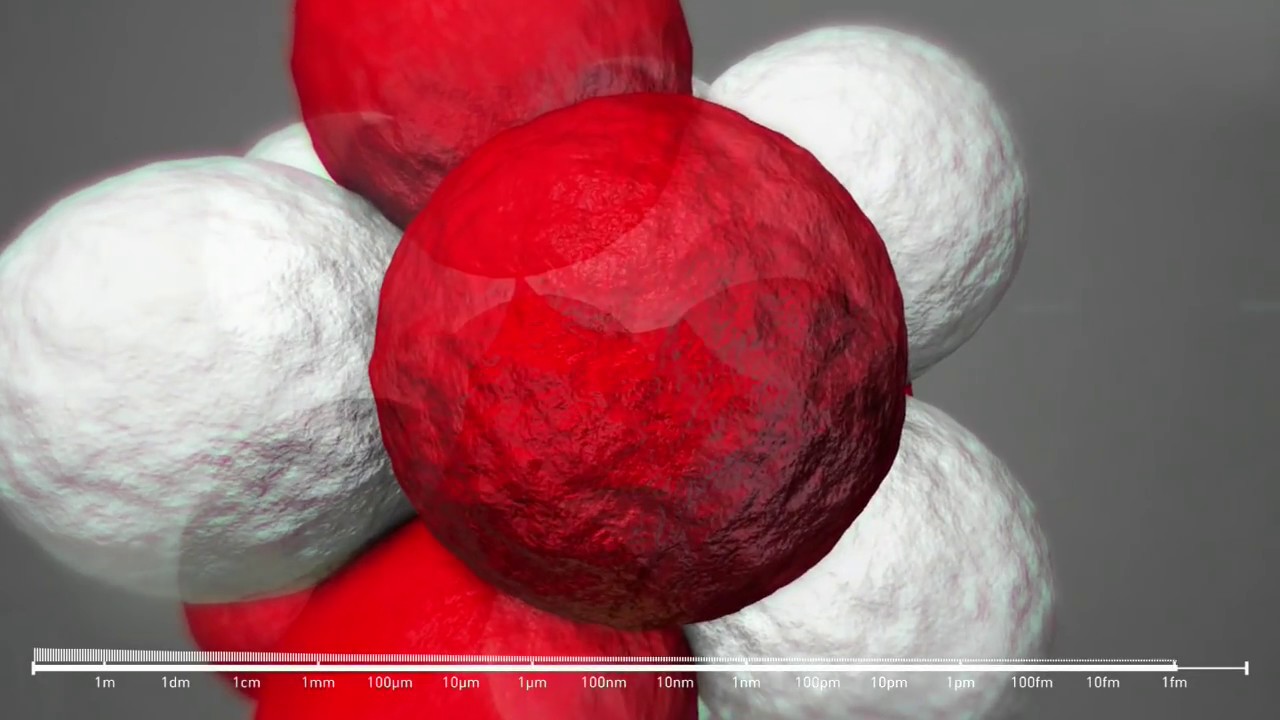
This animation shows the structure of matter at smaller and smaller scales. Zooming into a human hair, we p**** through hair cells, fibril structures, keratin molecules, Carbon atoms, nuclei, neutrons, protons, and finally quarks.
The Standard Model explains how the basic building blocks of matter interact, governed by four fundamental forces. Find out more: http://home.cern/…/physi…/standard-model
Produced by Daniel Dominguez/CERN
Copyright © CERN
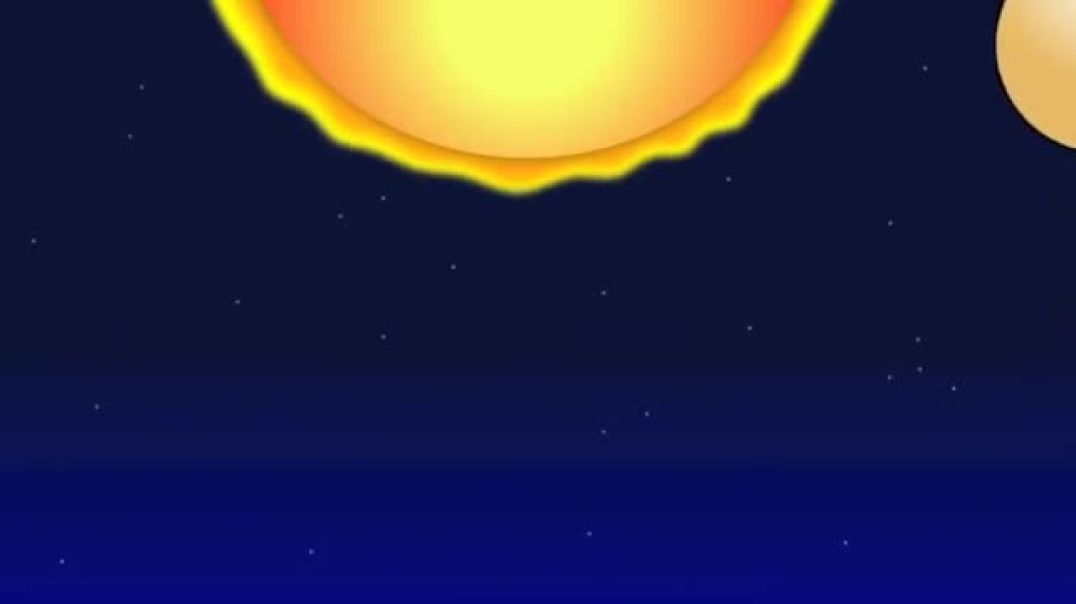
Our solar system consists of our star, the Sun, and everything bound to it by gravity – the planets Mercury, Venus, Earth, Mars, Jupiter, Saturn, Uranus, and Neptune; dwarf planets such as Pluto; dozens of moons; and millions of asteroids, comets, and meteoroids.
Methods of contraception include oral contraceptive pills, implants, injectables, patches, vaginal rings, Intra uterine devices, condoms, male and female sterilization, lactational amenorrhea methods, withdrawal and fertility awareness based methods.